

Ukulele Chord Chart and a Brief Introduction
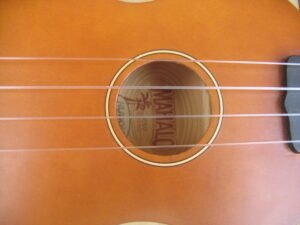
Image credit:
Tim Walker from United Kingdom, CC BY 2.0, via Wikimedia Commons
The ukulele, often referred to as a “uke,” is a small, four-stringed instrument belonging to the lute family, with roots tracing back to Portuguese influences and a prominent cultural presence in Hawaii. Pronounced /ˌjuːkəˈleɪli/ (YOO-kə-LAY-lee) in English and [ʔukulele] in Hawaiian, it is known for its bright, cheerful sound. The instrument’s tone and volume vary depending on its size and construction materials. The ukulele comes in four primary sizes: soprano, concert, tenor, and baritone, each with distinct characteristics.
The ukulele emerged in the 1880s in Hawaii, inspired by Portuguese instruments such as the machete, cavaquinho, and rajão, brought by immigrants from Madeira, the Azores, and Cape Verde. Three Madeiran cabinetmakers—Manuel Nunes, José do Espírito Santo, and Augusto Dias—are credited with creating the earliest ukuleles. After arriving in Hawaii aboard the SS Ravenscrag in August 1879, these immigrants began performing street concerts, as noted in the Hawaiian Gazette.
King David Kalākaua, a passionate supporter of the arts, played a significant role in embedding the ukulele in Hawaiian culture by featuring it in royal performances. The term “ukulele” translates to “jumping flea” in Hawaiian, possibly due to the rapid finger movements of players or linked to the nickname of Edward William Purvis, a small-statured, energetic ukulele player in King Kalākaua’s court.
The instrument was documented as a stringed instrument in the 1907 Metropolitan Museum of Art’s Catalogue of the Crosby Brown Collection, describing both soprano and tenor-sized ukuleles from Hawaii.
Ukulele Chord Chart: Beginner to Expert (GCEA Standard Tuning)
The ukulele chord chart is your essential guide to playing all the most popular chords, from easy open positions to advanced jazz extensions. This resource covers the basics, barre shapes, and pro-level chords, making it perfect for everyone from first-timers to seasoned ukulele players.
How to Read a Ukulele Chord Chart
Chords are shown as G C E A (strings 4 3 2 1 from left to right).
Numbers indicate frets. 0 = open string. X = mute.
Fingerings: 1=index, 2=middle, 3=ring, 4=pinky. Barre indicates one finger across several strings.
Each chord shape below is 100% accurate for GCEA tuning (the standard ukulele setup).
Beginner Ukulele Chords (Open Positions)
| Chord | Type | Fingering (G C E A) | Fingers Used | Notes |
|---|---|---|---|---|
| C | Major | 0 0 0 3 | 3 (A string 3rd fret) | Easiest ukulele chord, bright sound |
| Am | Minor | 2 0 0 0 | 2 (G 2nd fret) | Smooth and mellow, common in pop/folk |
| F | Major | 2 0 1 0 | 1 (E 1st), 2 (G 2nd) | Main building block for most songs |
| G | Major | 0 2 3 2 | 1 (C 2nd), 2 (A 2nd), 3 (E 3rd) | Sparkling tone, core for island strum |
| Dm | Minor | 2 2 1 0 | 1 (E 1st), 2 (G 2nd), 3 (C 2nd) | Sad, expressive, used in ballads |
| Em | Minor | 0 4 3 2 | 1 (A 2nd), 2 (E 3rd), 3 (C 4th) | Stretch fingers, great moving into Am |
| A | Major | 2 1 0 0 | 1 (C 1st), 2 (G 2nd) | Bright chord, easy for progressions |
| D | Major | 2 2 2 0 | 1,2,3 stacked (G C E 2nd) | Iconic for key of D, stacking or barre |
| E | Major | 1 4 0 2 | 1 (G 1st), 2 (A 2nd), 3 (C 4th) | Tricky; practice slowly |
| E7 | Dom 7th | 1 2 0 2 | 1 (G 1st), 2 (C 2nd), 3 (A 2nd) | Popular alternative to E major |
Intermediate Ukulele Chord Chart (Barre and Movable Shapes)

Vuccala, CC BY-SA 4.0, via Wikimedia Commons
| Chord | Type | Fingering (G C E A) | Fingers Used | Notes |
|---|---|---|---|---|
| C7 | Dom 7th | 0 0 0 1 | 1 (A 1st) | Blues, jazz, resolves to F |
| G7 | Dom 7th | 0 2 1 2 | 1 (E 1st), 2 (C 2nd), 3 (A 2nd) | Turnarounds and key changes |
| F7 | Dom 7th | 2 0 1 3 | 1 (E 1st), 2 (G 2nd), 3 (A 3rd) | Jazzy, used with Bb or C7 |
| Bb | Major | 3 2 1 1 | 1 (barre E/A 1st), 2 (C 2nd), 3 (G 3rd) | Essential for F key; first barre |
| Bm | Minor | 4 2 2 2 | 1 (barre C/E/A 2nd), 3 (G 4th) | Movable; Bm, Cm, etc. |
| A7 | Dom 7th | 0 1 0 0 | 1 (C 1st) | Ragtime, blues, swing |
| D7 | Dom 7th | 2 0 2 0 | 1 (G 2nd), 2 (E 2nd) | Versatile across genres |
| F#m | Minor | 2 1 2 0 | 1 (C 1st), 2 (G 2nd), 3 (E 2nd) | Melancholy, great for bridges |
Expert & Jazz Ukulele Chord Chart (Extensions & Theory)
| Chord | Type | Fingering (G C E A) | Fingers Used | Notes |
|---|---|---|---|---|
| Cmaj7 | Maj 7th | 0 0 0 2 | 2 (A 2nd) | Smooth, dreamy, jazz pop staple |
| Cm7 | Min 7th | 3 3 3 3 | Barre 3rd fret | Barre, dark jazz/soul color |
| Gm7 | Min 7th | 0 2 1 1 | 1 (barre E/A 1st), 2 (C 2nd) | Warm, neo-soul, ballads |
| C6 | Maj 6th | 0 0 0 0 | Open | Classic Hawaiian, chromatic passing |
| C9 | Dom 9th | 0 2 1 3 | 1 (E 1st), 2 (C 2nd), 3 (A 3rd) | Funky, rich ninth chord |
| Cdim | Diminished | 2 3 2 3 | 1 (G 2nd), 2 (C 3rd), 3 (E 2nd), 4 (A 3rd) | Tension, jazz, resolves up half-step |
| Caug | Augmented | 1 0 0 3 | 1 (G 1st), 3 (A 3rd) | Unstable, cool for transitions |
| Bb13 | Dom 13th | 1 0 1 3 | 1 (barre E/A 1st), 2 (G 1st), 3 (A 3rd) | Big jazz/funk sound, pro use |
| Fmaj9 | Maj 9th | 5 5 5 7 | 1 (G 5th), 2 (C 5th), 3 (E 5th), 4 (A 7th) | Lush, modern R&B sound |
(Always read as GCEA left-to-right)
Summary Ukulele Chord Chart
| Chord | G | C | E | A | Name | Level |
|---|---|---|---|---|---|---|
| C | 0 | 0 | 0 | 3 | C major | Beginner |
| Am | 2 | 0 | 0 | 0 | A minor | Beginner |
| F | 2 | 0 | 1 | 0 | F major | Beginner |
| G | 0 | 2 | 3 | 2 | G major | Beginner |
| Dm | 2 | 2 | 1 | 0 | D minor | Beginner |
| Em | 0 | 4 | 3 | 2 | E minor | Beginner |
| A | 2 | 1 | 0 | 0 | A major | Beginner |
| D | 2 | 2 | 2 | 0 | D major | Beginner |
| E | 1 | 4 | 0 | 2 | E major | Beginner |
| C7 | 0 | 0 | 0 | 1 | C dominant 7 | Intermediate |
| G7 | 0 | 2 | 1 | 2 | G dominant 7 | Intermediate |
| Bb | 3 | 2 | 1 | 1 | B flat major | Intermediate |
| Bm | 4 | 2 | 2 | 2 | B minor | Intermediate |
| D7 | 2 | 0 | 2 | 0 | D dominant 7 | Intermediate |
| F7 | 2 | 0 | 1 | 3 | F dominant 7 | Intermediate |
| Cmaj7 | 0 | 0 | 0 | 2 | C major 7 | Expert |
| C9 | 0 | 2 | 1 | 3 | C dominant 9 | Expert |
| Cdim | 2 | 3 | 2 | 3 | C diminished | Expert |
| Caug | 1 | 0 | 0 | 3 | C augmented | Expert |
| Gm7 | 0 | 2 | 1 | 1 | G minor 7 | Expert |
| C6 | 0 | 0 | 0 | 0 | C major 6 | Expert |
| Bb13 | 1 | 0 | 1 | 3 | B flat 13 | Expert |
| Fmaj9 | 5 | 5 | 5 | 7 | F major 9 | Expert |
Tips for Practicing and Learning Ukulele Chords
- Start slow: Focus on transitioning between two chords smoothly before learning a whole song.
- Practice chord progressions like C – F – G – C (beginner), Dm – G7 – C – Am (intermediate), and Cmaj7 – Dm7 – G13 – C (expert).
- Use a metronome and gradually increase the tempo for a clean, buzz-free sound.
- Refer to these ukulele chord charts anytime you want to expand your song repertoire!
Bookmark this ukulele chord chart and share it with fellow uke lovers. For free chord diagrams, printables, and more, explore online resources such as UkuTabs, ChordPic, or your favourite ukulele app.
Example Song Tune: Riptide by Vance Joy (Beginner Level)
This song uses simple beginner chords: Am, G, C, F. It's a great example to practice transitions and strumming. Strum pattern: Down-Down-Up-Up-Down-Up.
[Verse]
Am             G              C
I was scared of dentists and the dark
Am             G                   C
I was scared of pretty girls and starting conversations
Am        G               C
Oh, all my friends are turning green
Am               G             C
You're the magician's assistant in their dreams

[Chorus]
Am  G  C
Ooh, ooh, ooh
Am  G             C
Ooh, and they come unstuck

Am    G                C
Lady, running down to the riptide
               Am       G          C
Taken away to the dark side, I wanna be your left-hand man
Am       G                 C
I love you when you're singing that song and
                Am        G
I got a lump in my throat 'cause
               C
You're gonna sing the words wrong
Repeat the pattern for the rest of the song. This tune suits beginners perfectly as it reinforces common chord progressions in the key of C.
Ukulele History: 7 Fascinating Facts from Origin to Modern Day