

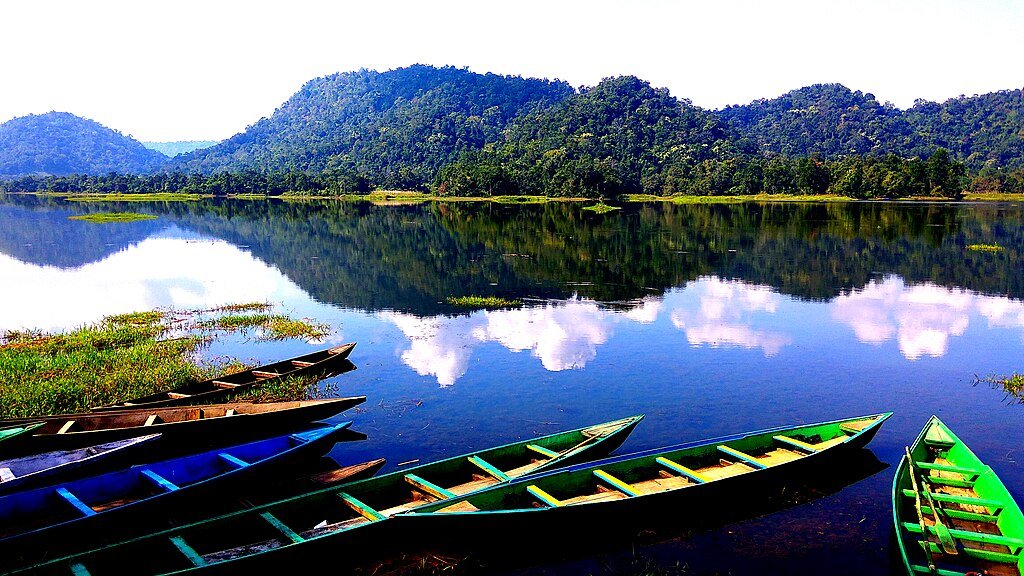
Chandubi Lake: A Natural Wonder of Assam
ঈশান জ্যোতি বৰা, CC BY-SA 4.0, via Wikimedia Commons
Nestled at the foot of the Garo Hills, surrounded by the lush landscapes of Assam and Meghalaya Chandubi Lake is situated approximately 65 kilometres away from Guwahati, the capital city of Assam. Chandubi Lake is a serene gem in the Kamrup district. This picturesque lake, born from a powerful earthquake in 1897, offers a tranquil escape with its crystal-clear waters, dense forests, tea gardens, and quaint villages. A haven for migratory birds in winter, the lake’s unpolluted environment and natural beauty make it a must-visit destination for nature lovers and cultural enthusiasts alike.
History: The Legends Behind Chandubi Lake
Every name tells a story, and Chandubi Lake is no exception. Two fascinating legends explain its origins and name.
- The Earthquake Legend
The name “Chandubi” is rooted in a dramatic natural event. According to local legends, in 1897, the tremors caused five mountains to sink, giving rise to the serene expanse known today as Chandubi. The name itself, “Chandubi,” is a blend of two Khasi words: “Chand,” meaning “five,” and “Dubi,” meaning “sinking.” It is said that five hilly mountains in the region sank into the ground, leaving locals in awe. From this remarkable phenomenon emerged the serene expanse of Chandubi Lake.
- The Merchant’s Legend
Another captivating tale links the Chandubi lake to a renowned merchant named Chanda Sadasgar. He used Chandubi Lake as a transit point to transport merchandise to Meghalaya via the Kulsi River. Over time, the lake became synonymous with his name, adding a layer of historical intrigue to its identity.
Geography and Surroundings
Chandubi Lake, located in the Kamrup district of Assam at the foot of the Garo Hills, is characterised by its distinctive crescent shape, which enhances its scenic charm. Surrounded by hills on one side and lush plains on the other, the lake is a haven for migratory birds such as hornbills, kingfishers, and migratory ducks, and wildlife enthusiasts can spot Occasional sightings of elephants, deer, and wild boars add to the wildlife experience around the lake, particularly during the winter months. The nearby villages reflect the vibrant Assamese culture, offering a glimpse into the traditional lifestyle of the region.
Biodiversity Hotspot: Chandubi Lake is home to a variety of flora and fauna, including rare migratory birds like the white-winged wood duck, making it a key ecotourism destination.
Geological Significance: Formed by the 1897 earthquake, the lake spans approximately 2 square kilometres, with its clear waters fed by natural springs and seasonal streams.
Cultural Proximity: The lake is near the Rabha and Khasi tribal communities, whose traditional practices and festivals add to the area’s cultural richness.
Chandubi Beel Festival
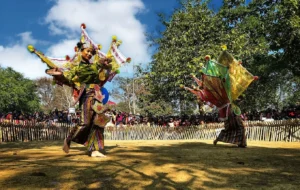
- The Chandubi Festival is an annual cultural extravaganza celebrated near the enchanting Chandubi Lake in Assam's Kamrup district.
- Organized by the people of Rajapara village under the Rabha Hasong Autonomous Council (RHAC), this vibrant event has been a significant part of the region for the past 14 years.
- The festival commenced on January 1 and continued until January 5.
Details of Chandubi Festival
Cultural Heritage: Deeply embedded in the region’s traditions, the festival celebrates the customs and diversity of local indigenous tribes, blending their unique rituals and practices.
Performances: Features a vibrant array of traditional dances such as Bihu, Sattriya, and tribal performances, alongside music from local singers and musicians using traditional instruments.
Art and Craft Exhibits: Showcases stalls with handmade textiles, artifacts, and crafts, allowing visitors to explore and purchase authentic Assamese craftsmanship.
Culinary Experience: Offers a delightful range of Assamese delicacies, including pithas (rice cakes), fish curries, Assam tea, and other local specialities.
Traditional Sports and Games: Includes engaging sporting events and indigenous games, fostering excitement and participation among attendees.
Workshops: Provides hands-on sessions on traditional arts like handloom weaving, pottery, and other crafts, offering visitors a chance to learn and engage with Assam’s cultural practices.
Promoting Eco-Tourism
Beyond celebration, the Chandubi Festival highlights the importance of conserving the lake’s declining water levels. By showcasing Assam’s unique traditions against the backdrop of this natural wonder, the festival attracts both local and international tourists, contributing to the region’s socio-economic development. Chandubi Lake is more than just a scenic destination—it’s a blend of natural beauty, cultural richness, and historical significance. Whether you’re drawn to its tranquil waters, the vibrant Chandubi Festival, or the chance to explore Assam’s heritage, this lake offers an unforgettable experience. Plan your visit to witness the magic of Chandubi Lake and immerse yourself in the heart of Assam’s natural and cultural splendor.
Attractions and things to do
Many things can be done at Chandubi Lake so that tourists can fully enjoy its peaceful beauty and natural surroundings
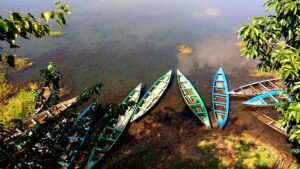
Boating and fishing: Take a traditional country boat out on the lake's calm waters or go fishing in its clear harbour. Guided boat rides are a great way to relax and connect with nature because they offer beautiful views of the hills and plains nearby.
ঈশান জ্যোতি বৰা, CC BY-SA 4.0, via Wikimedia Commons
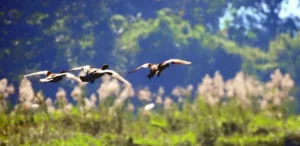
Nature Walks: Take long walks along trails by the lake and explore the nearby woods and tea gardens. You can enjoy the lush greenery and learn about the area's wide range of plants and animals on these walks. You can see many kinds of birds here, especially in the winter when migrating birds like the white-winged wood duck come in large numbers. Bring binoculars to get the most out of your time at this popular ecotourism spot.
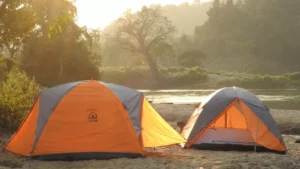
Camping: Spend the night under the stars by camping next to the lake and enjoying the peace and quiet of the area. Local businesses offer simple camping sites that are great for a peaceful getaway in the outdoors.
The Best Time to Visit Chandubi Lake
The ideal time to visit Chandubi Lake is during the winter months, from November to February, when the weather is pleasant and perfect for outdoor activities like boating, fishing, camping, and bird watching. This season attracts migratory birds, including rare species like the white-winged wood duck, making it a paradise for bird enthusiasts.
The Chandubi Festival, held annually from January 1 to January 5, adds a vibrant cultural dimension to your visit. Showcasing traditional Assamese dances, music, local cuisine, and indigenous crafts, the festival offers an immersive experience of the region’s rich heritage. With the lake’s serene beauty at its peak during winter, this is the perfect time to explore both its natural splendour and cultural festivities.
How to Reach Chandubi Lake
Chandubi Lake, located in Assam’s Kamrup district, is easily accessible from Guwahati, the nearest major city, via air, rail, or road. Below are the most convenient travel options to reach this serene destination:
- By Air: The closest airport is Lokpriya Gopinath Bordoloi International Airport in Borjhar, Guwahati, approximately 20 km from Chandubi Lake. Guwahati is well-served by major domestic airlines, with frequent flights from cities like Delhi, Mumbai, Kolkata, and Bangalore.
From the airport, visitors can hire a taxi or take a shared cab to reach the lake in about 45 minutes, depending on traffic. - By Rail: Guwahati Railway Station, a major rail hub, connects to key cities across India with regular trains.
From the station, Chandubi Lake is easily accessible by road. Visitors can take a bus, taxi, or auto-rickshaw to cover the roughly 20 km distance in about 40-50 minutes. - By Road: Chandubi Lake is well-connected by road, with buses operating from Adabari Bus Stand in Guwahati, the city’s central bus terminal, to the lake. Alternatively, a scenic 10 km drive or bus ride from Muduki to Chandubi offers a shorter route for those already in the vicinity. Private taxis or rented vehicles are also available from Guwahati for a more comfortable and flexible journey, taking approximately 45 minutes.
Tips for Travellers
- Local Transport: Auto-rickshaws and shared taxis are readily available in Guwahati for short trips to the lake.
Best Time for Travel: Opt for early morning departures to avoid traffic and enjoy cooler weather, especially during winter (November to February). - Navigation: Use GPS or local maps for precise routes, as rural roads near Chandubi may have limited signage.
Discover More of Assam’s Natural Wonders
Kaziranga National Park | Explore Assam’s Incredible Wildlife | 2025